
Author: ___
-
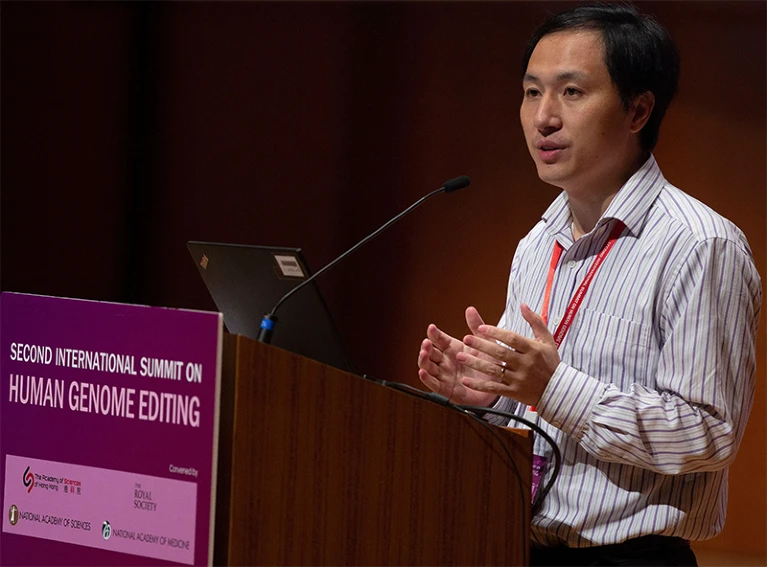
Controversy Surrounding He Jiankui and the First ‘CRISPR Babies’
Rachel Lim ‘29 On November 28, 2018, Chinese geneticist He Jiankui announced the birth of the first gene-edited human babies in the world. As soon as he finished presenting his work at the Second International Summit on Human Genome Editing in Hong Kong, he was promptly bombarded by questions from scientists and journalists in the…
-
Cancer and the Gut: How Bacteria Could Improve Responses to Immunotherapy
Rachel Lim ‘29 In 1863, German physician Rudolf Virchow, “the father of modern pathology,” observed the increased presence of white blood cells in abnormal tissue growth and was the first to propose the relationship between immune function and cancer. From the 1890s to the 1930s, doctors observed that some bacterial infections caused tumors to shrink.…
-
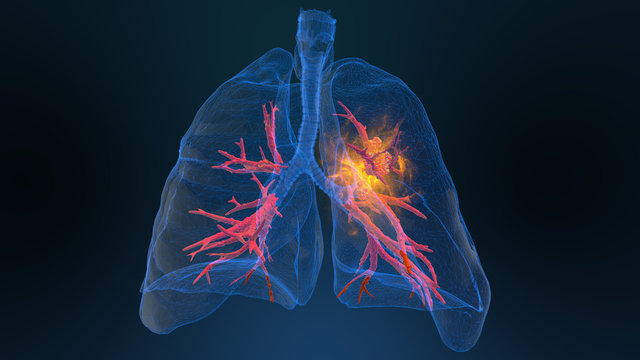
The New FDA-Approved Lung Cancer Drug
Vigneshwari Sivakumar ’29 Lung cancer is the nation’s deadliest cancer, affecting people of all backgrounds, with the most cases of 226,650 and deaths of 124,730 this year, according to the American Cancer Society (2025). Most cancers, when detected early, can be cured and treated; however, some studies show that even with earlier diagnosis, there is…