
Author: ~
-

Bridging Biomaterials Research and Clinical Care: Advancements in Sustainable Healthcare
Olivia Bell ’27 Craniosynostosis (CS) is a congenital condition characterized by the premature fusion of cranial sutures due to abnormal developmental pathways (Governale et al., 2015). This fusion can lead to increased intracranial pressure, cognitive impairment, and visible skull deformities. Current treatments include helmet therapy and minimally invasive surgical procedures. However, re-craniosynostosis can occur, limiting…
-
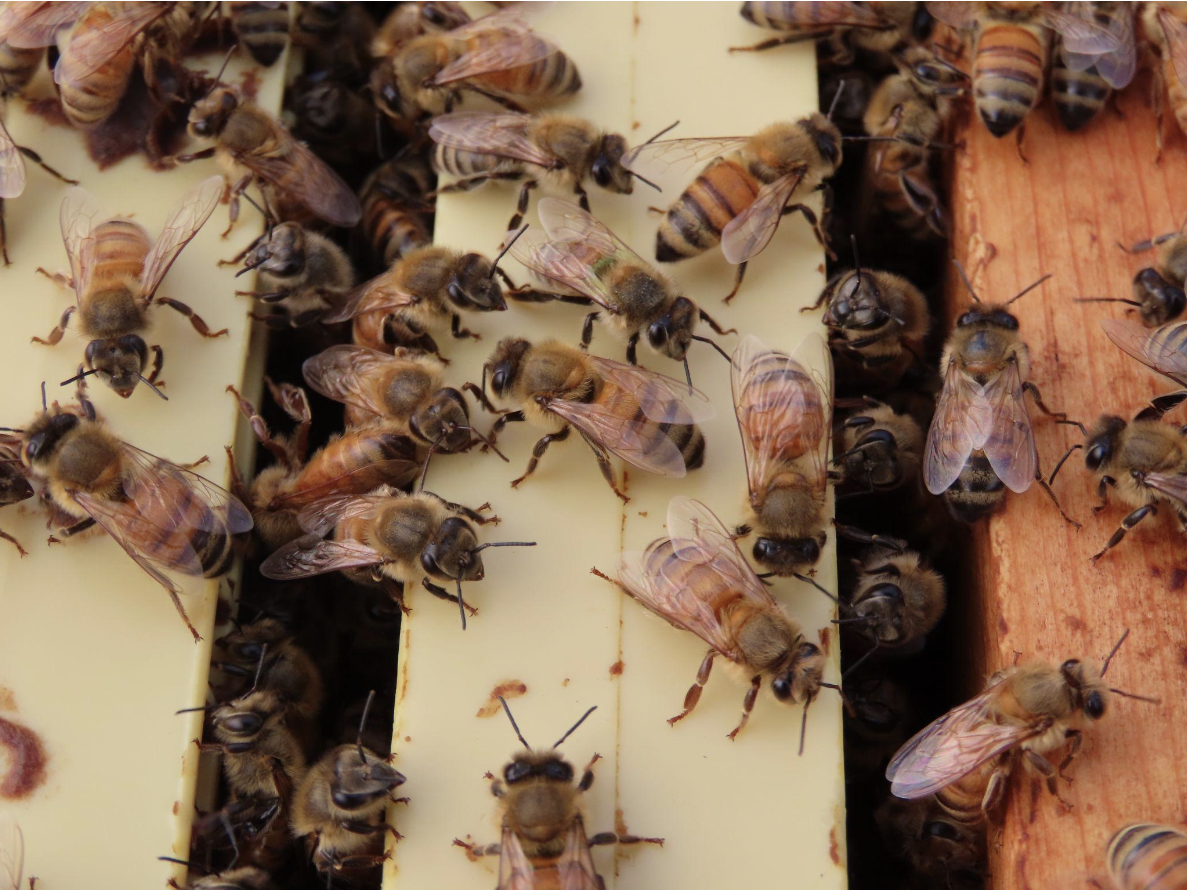
From Bees to Broader Biology: Insights into Gut Microbiome Assembly and Stability
Maya Cabrera ’27 The honey bee gut is commonly used model for studying host–microbe interactions, and is divided into three main sections: the foregut, the midgut, and the hindgut, which contains the ileum and rectum. Each region harbors a distinct community of microbes that together form a conserved microbiota essential for bee health (Motta &…
-

Mass Spectrometry in Medicine
Vyas Pujari ’26 Over the past few decades, mass spectrometry has emerged as a powerful analytical tool, routinely employed to detect and quantify thousands of biomolecules, including proteins and metabolites. While its primary application has been in the realm of biological research, mass spectrometry also holds significant utility in medicine. Mass spectrometry operates by ionizing…